Expert Thyroid Care

Conditions We Treat

Thyroid Disorders and Diagnostics

Hypothyroidism (Underactive Thyroid)

This can be due to many reasons but is most commonly caused by an autoimmune process called Chronic Lymphocytic Thyroiditis (Hashimoto’s Thyroiditis). We commonly treat this condition with thyroid hormone replacement and also evaluate for other coexisting diseases.

Hyperthyroidism (Overactive Thyroid)

This has many different etiologies. A proper evaluation to determine the cause is important and will impact the choice of treatment, from observation, medical, or surgical therapy. Supportive medications may also be needed for symptoms of hyperthyroidism.

Thyroid Nodules

Growths on the thyroid gland are common. Most nodules are benign but can cause symptoms. New non-surgical treatments are available.

Graves' Disease

This is an autoimmune disorder that causes hyperthyroidism. The eyes and skin can be affected in a small number of patients.

Goiter (Enlarged Thyroid Gland)

This can be due to multiple thyroid nodules, chronic lymphocytic thyroiditis, hypothyroidism or iodine deficiency among other reasons. Treatment includes correcting the underlying cause.

Thyroid Disorders and Pregnancy

Pregnancy can affect existing thyroid disorders in women. As well, thyroid disorders can sometimes make it difficult for a woman to become pregnant. Some women will need more thyroid hormone during pregnancy. After the birth of a baby, the thyroid gland can get inflamed and cause significant mood changes.

Diagnostic Services

Thyroid Ultrasound

Thyroid ultrasound is a safe method to evaluate the thyroid gland without exposing the patient to radiation. It is used to look at thyroid nodules and to help make the correct diagnosis. Having your thyroid ultrasound performed by an experienced physician can help you get the correct treatment sooner. Dr. Aljammal is one of the few physicians in Washington who has obtained Endocrine Certification of Neck Ultrasound (ECNU), a certification given to physicians who completed additional training in performing and evaluating ultrasound imaging.

Ultrasound Guided-Fine Needle Aspiration (UG-FNA)

UG-FNA is a procedure where the doctor inserts a small needle into a thyroid nodule under constant visualization by ultrasound. Cells are collected into the needle and then examined under the microscope to determine whether the nodule is benign. Sometimes, additional genetic tests are needed to make the correct diagnosis. Dr. Aljammal uses ThyroSeq, a type of advanced genetic test to help clarify whether a nodule is benign.

RFA (Radiofrequency ablation) for benign thyroid nodules

This is a cutting edge medical treatment that uses electrical energy to shrink (“ablate”) benign thyroid nodules. It is an alternative treatment to surgery and has a low risk of complications. Dr. Aljammal now offers this advanced treatment to his patients. Call our office for more information on RFA.

Frequently Asked Questions

What thyroid conditions do you treat?

The Thyroid Clinic Washington provides specialized care for the full range of thyroid disorders, including thyroid nodules, goiter (enlarged thyroid), hyperthyroidism, Graves’ disease, hypothyroidism, and Hashimoto’s thyroiditis. We also provide thorough evaluation of thyroid nodules to determine the most appropriate treatment. As a dedicated thyroid clinic, we focus specifically on the diagnosis and treatment of these conditions, offering both medical management and minimally invasive procedures such as radiofrequency ablation (RFA) for benign nodules.

Do I need a referral?

No. As a self-pay practice, we don’t require referrals or insurance authorizations — you can contact our Issaquah office and schedule directly. This means faster access, without the delays that insurance approvals often involve. If you have any imaging, lab results, or biopsy reports from another provider, bringing them to your visit helps us evaluate your thyroid condition more efficiently.

How soon can I get an appointment?

We understand that thyroid concerns can be stressful, so we make timely access a priority. New patients are typically seen within one to two weeks — often much sooner than the wait times at larger hospital systems. Please contact our Issaquah office at (425) 278-5878 to find the earliest available appointment.

Do you treat Hashimoto’s and Graves’ disease?

Yes. Both Hashimoto’s thyroiditis (a common cause of hypothyroidism) and Graves’ disease (a common cause of hyperthyroidism) are conditions we regularly diagnose and manage. Dr. Aljammal provides individualized treatment plans, including medication management and ongoing monitoring, to help patients manage these autoimmune thyroid conditions effectively.
Understanding the Signs

Symptoms Of Thyroid Disorders

Patients with a thyroid disorder can present with multiple different symptoms. These symptoms may include:
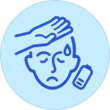
Fatigue

Constantly feeling tired or lacking energy, even after resting, is a common symptom of thyroid disorders.
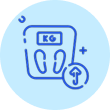
Significant weight gain or loss

Drastic weight changes without an apparent cause may indicate a thyroid function issue.
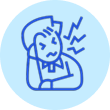
Difficulty concentrating

Struggling to focus or remember information can be linked to thyroid imbalances.
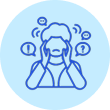
Anxiety/Depression

Hormonal fluctuations can affect mood, leading to anxiety or depression.

Headaches

Frequent headaches or migraines may be associated with thyroid disorders.

Irregular heartbeat

A heart rate that is too fast or irregular could be a sign of a thyroid condition.
Difficulty swallowing
Inflammation or thyroid issues may cause discomfort or a tight sensation when swallowing.

Irregular menstrual cycles

Unusually short, long, or absent menstrual periods can be linked to thyroid dysfunction.

Unexplained miscarriage

An untreated thyroid disorder can increase the risk of spontaneous pregnancy loss.

Dry or oily skin

Changes in skin texture and appearance may indicate thyroid function alterations.

Feeling sluggish

A slower metabolism due to thyroid problems can make a person feel physically and mentally sluggish.

Increased desire to sleep

Excessive sleepiness or prolonged sleep needs may be related to an underactive thyroid.

Tremor

Involuntary movements or shaky hands may be signs of an overactive thyroid.

Changes in bowel movements

Frequent episodes of constipation or diarrhea may be symptoms of a thyroid disorder.


Have a Thyroid Nodule? You May Be Able to Avoid Surgery.

Many thyroid nodules that once required surgery can now be treated with radiofrequency ablation (RFA) — a minimally invasive, outpatient procedure that shrinks benign nodules while leaving healthy thyroid tissue intact. No general anesthesia, no scar, and you go home the same day.  Nearly all benign nodules we treat shrink significantly.

Thyroid Support You Can Trust

Your Health Matters – Get the Right Diagnosis
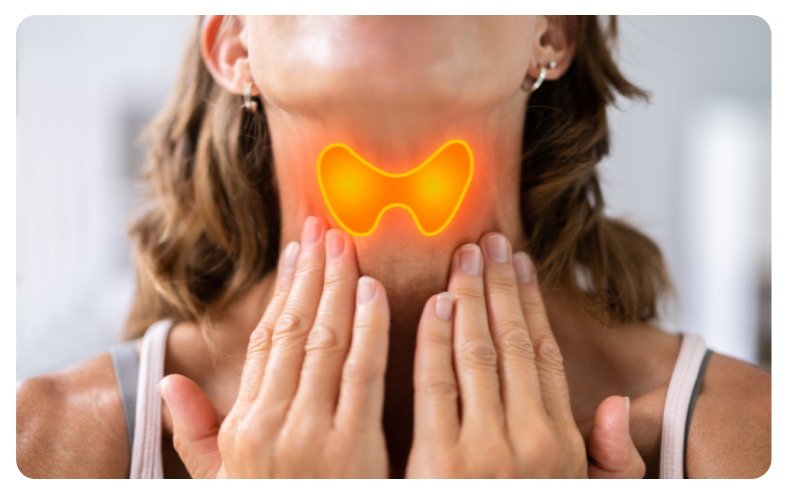
Are You Experiencing These Symptoms?

If you are having any of these symptoms, contact us to help you find the answer. Our Thyroid Specialist in Washington is here to assist you with expert care and personalized treatment options. For additional education material, please visit the American Thyroid Association for reliable information on thyroid health.

Don’t wait to get the help you need. Our experienced Thyroid Specialist is ready to support your health journey. Reach out to us today to schedule an appointment or learn more about our services.